
Global Shifts and Miami’s Rise
Fashion is no longer confined to the storefront. As travelers seek experiences over transactions, a new wave of economic activity has emerged where tourism and fashion intersect. Fashion tourism is overtaking traditional fashion retail by transforming shopping into an experience tied to place, culture, and creativity. Consumers now plan trips around fashion weeks, designer pop-ups, and curated events that fuse style with travel.
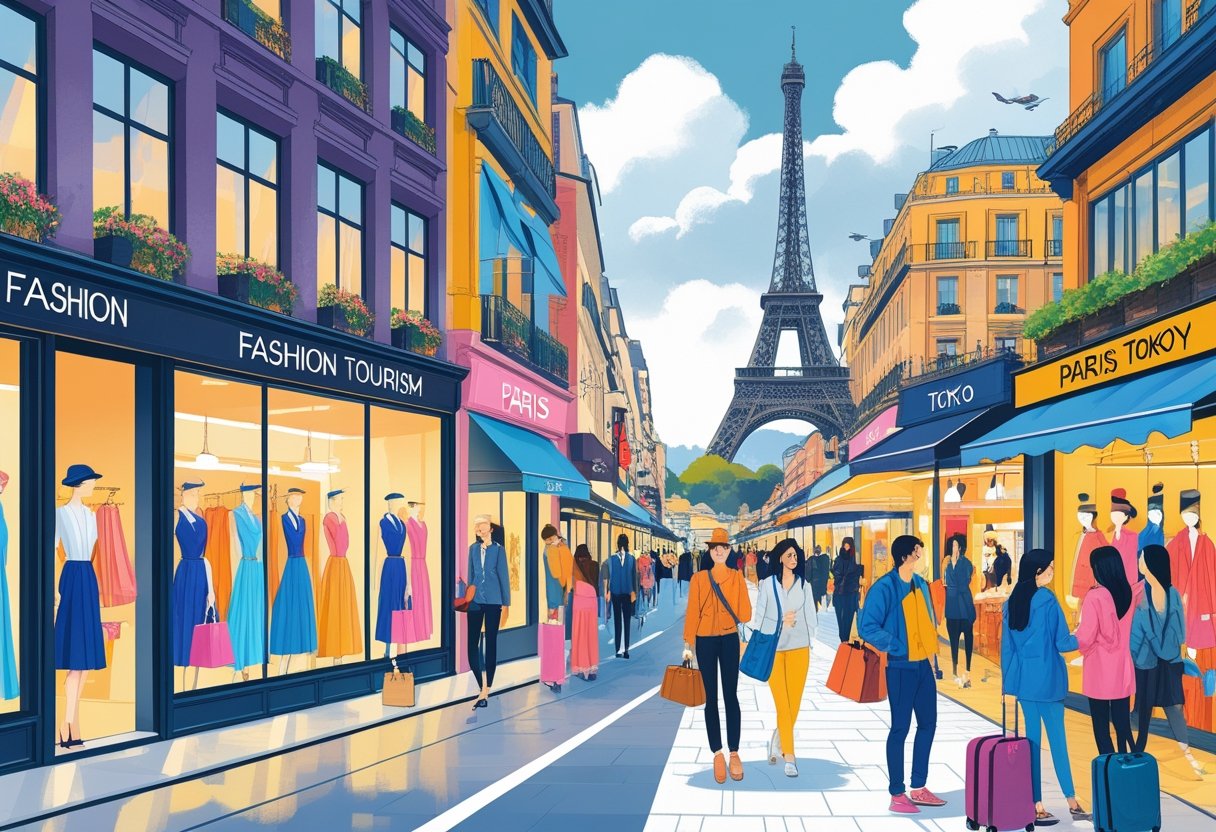
Traditional retail relies on consistent foot traffic, while fashion tourism thrives on destination spending. Cities like Miami illustrate this shift, drawing visitors who come not just to shop but to participate in immersive brand experiences. The city’s fusion of art, hospitality, and luxury retail has positioned it as a leader in this growing sector.
This model links fashion with culture, heritage, and the creative industries, allowing destinations to strengthen their local identity while boosting economic growth. Resortwear shopping, art-led retail, and tourism-focused collections show how the industry is adapting to travel-centered demand. Fashion no longer ends at the sale—it continues through the journey.
Fashion Tourism Versus Traditional Fashion Retail
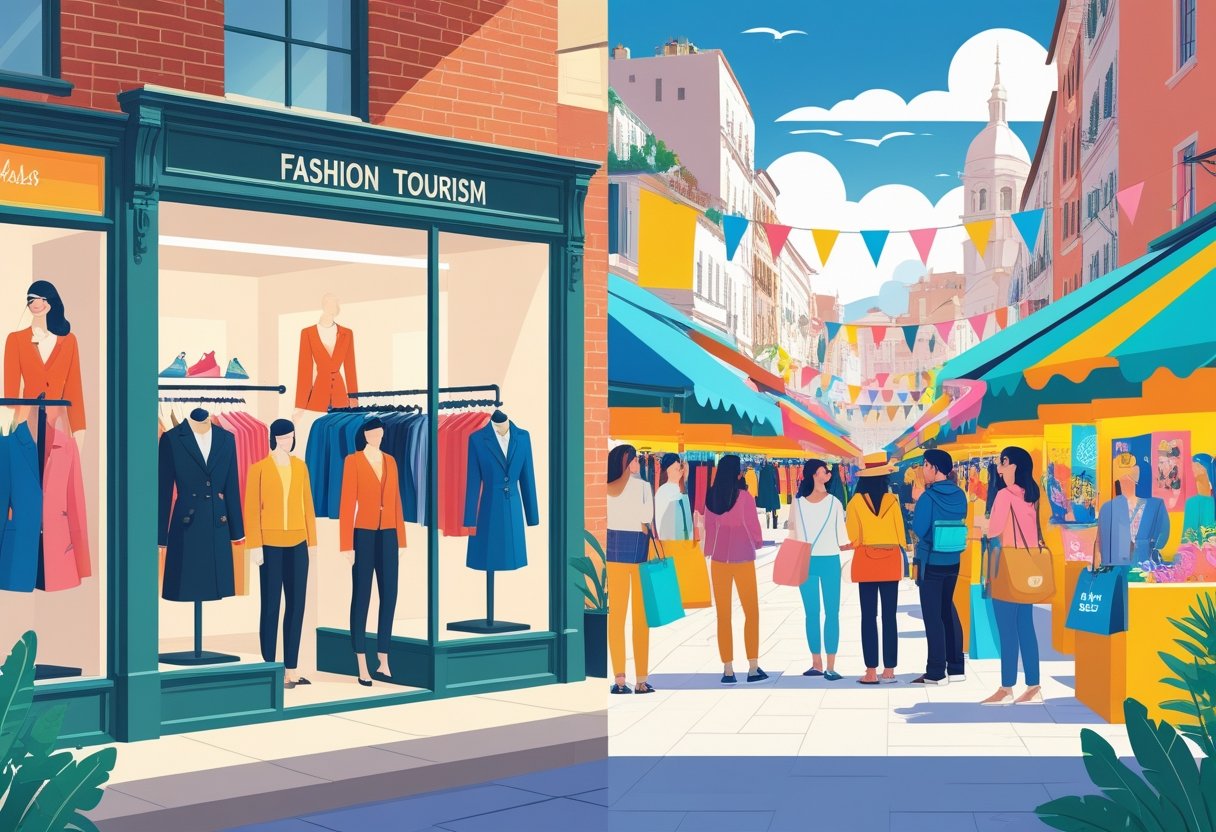
Fashion retail now competes with travel-driven experiences that merge shopping, culture, and leisure. As travelers increasingly plan trips around fashion events or destinations, spending patterns shift from short-term consumption to experience-centered engagement that influences local economies and brand positioning.
Experiential Buying and Destination Spending
Traditional fashion retail relies on walk-in customers and local demand. In contrast, fashion tourism centers on destination spending tied to travel experiences. Visitors purchase designer items during events such as Miami Fashion Week or at curated pop-ups in resort areas, embedding fashion consumption within broader cultural tourism experiences.
Destinations like Miami, Milan, and Tokyo integrate shopping into their urban and cultural narratives. Travelers engage in fashion and cultural tourism through designer-run workshops, boutique hotel partnerships, and museum collaborations. These models transform stores into venues for learning and participation rather than pure sales.
A simplified comparison highlights the shift:
| Model | Core Driver | Consumer Motivation | Spending Context |
|---|---|---|---|
| Traditional Retail | Local Foot Traffic | Seasonal Trends | Individual Purchase |
| Fashion Tourism | Destination Travel | Experience and Discovery | Integrated Travel Budget |
This approach deepens brand loyalty, as purchases become lasting reminders of place and experience rather than routine transactions.
Inflation Resistance in Tourism-Driven Fashion
Tourism-driven fashion spending shows resilience when broader retail faces decline. Travel budgets for experiences often remain stable even during economic slowdowns, as consumers treat destination travel as a personal investment rather than discretionary shopping.
In destinations like Miami, spending on designer resortwear, hotel-run boutiques, and experiential retail continues despite fluctuations in luxury retail sales elsewhere. The spending connects to the value of experience and cultural immersion. Economic studies within tourism suggest that travelers allocate money differently when tied to unique events or cultural participation.
Fashion tourism also benefits from cross-industry collaboration. Hotels, local designers, and tourism operators share revenue and visibility, creating layered economic ecosystems that strengthen regional industries beyond apparel sales alone.
Shift from Necessity to Experience
Traditional fashion retail sells products that fulfill practical or seasonal needs. Fashion tourism transforms buying into an element of cultural exploration, where value lies in the meaning of the experience, not the object itself.
Consumers seek authenticity through participation. They attend local fashion shows, visit craft ateliers, or engage in styling experiences led by regional designers. The tourism experiences link shoppers directly with creative communities and heritage production methods, which cannot be replicated online.
Instead of purchasing out of necessity, travelers buy as a form of memory-making. This transition redefines fashion’s economic role from commodity exchange to cultural storytelling, positioning destinations like Miami as living showcases for global style movements and cross-cultural influence.
Key Models and Drivers of Fashion Tourism
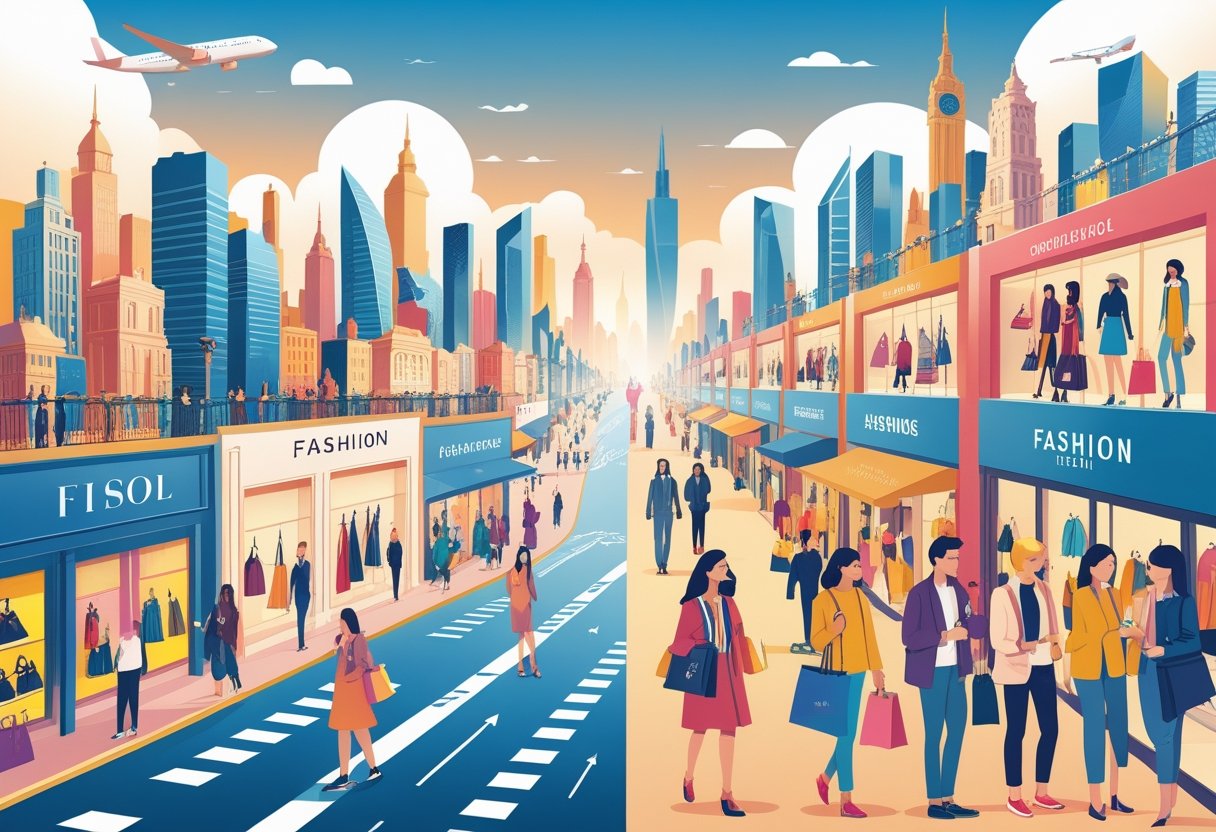
Fashion tourism thrives where fashion, travel, and cultural experience intersect. It develops through organized events, destination-based shopping, and experiential retail that connect designers, travelers, and local economies. The models below demonstrate how fashion now draws travelers for direct engagement rather than simple consumption.
Fashion-Week-Driven Tourism
Major fashion weeks in cities like Paris, Milan, New York, and Miami attract global audiences seeking exclusive previews, designer showcases, and industry networking. Travelers spend on accommodations, dining, and branded experiences, turning these events into temporary economic zones.
Luxury hotels and airlines often collaborate with fashion councils to create tailored travel packages. This coordination turns what was once a trade-only event into a tourism magnet linking fashion designers, buyers, and curious visitors.
Ticketed shows, after-parties, and limited-edition product launches make attendance aspirational. The introduction of fashion tourism packages that combine event access with city tours ensures spending extends beyond apparel, influencing perfume sales, beauty products, and local textile markets.
Designer Pop-Up Travel Circuits
Pop-up retail circuits represent a flexible and mobile model of global fashion engagement. Designers set up temporary spaces in high-tourism zones such as Dubai, Seoul, and coastal U.S. resorts to reach new audiences. These short-term stores often align with festivals or cultural calendars to maximize visibility.
They offer limited collections and on-site customization, making purchases feel exclusive and travel-worthy. Shoppers seek novelty, and brands benefit from reduced inventory risks and marketing immediacy.
A simplified outline of benefits:
| Stakeholder | Key Advantage |
|---|---|
| Designers | Market testing and seasonal exposure |
| Tourists | Access to limited-edition goods |
| Destinations | Increased short-term visitor spending |
This approach integrates fashion with tourism flow, merging local craftsmanship with traveling brand identities.
Resortwear and Luxury Hospitality
Fashion and hospitality increasingly operate as integrated industries. Coastal destinations such as Miami, Bali, and the Amalfi Coast support boutiques that specialize in resortwear, accessories, and high-end textiles tailored to a vacation lifestyle.
Many luxury hotels host in-house designer shops or seasonal runway events. Guests often engage through styling consultations or scent experiences linked to curated perfume lines. This adds convenience for travelers who prefer to shop within the resort environment.
The resortwear model also supports sustainability by emphasizing locally produced textiles and handcrafted accessories. It encourages collaboration between regional designers and international labels, helping hospitality venues function as micro fashion ecosystems that merge comfort, commerce, and identity.
Art-Driven Retail Environments
Art-centered retail integrates fashion displays with galleries, public installations, and design studios. Neighborhoods such as Miami’s Design District or Tokyo’s Omotesando illustrate how architecture, art, and fashion retail coexist to attract both tourists and collectors.
These environments encourage slow browsing and sensory experience rather than volume sales. Boutiques blend art curation with fashion merchandising, exhibiting textiles, accessories, and perfumes alongside visual art pieces.
By linking cultural heritage and contemporary retail, art-driven shopping zones amplify destination identity. Designers use these spaces to experiment with presentation, while visitors encounter fashion as part of a broader cultural itinerary that supports local creative industries.
The Role of Culture, Heritage, and the Creative Industries
Fashion tourism builds value through cultural experiences, place-based creativity, and the craft economy that sustains regional identity. It merges local heritage with global consumption, turning cultural expression into a measurable part of economic growth.
Cultural Heritage as Experience
Cultural heritage anchors fashion tourism by linking design with history, tradition, and community identity. Cities like Miami and Florence use heritage landmarks, art districts, and museums as fashion backdrops that deepen the visitor experience. This context turns shopping into an act of cultural participation rather than simple consumption.
Visitors often seek authentic narratives—craft techniques, textile origins, and locally inspired motifs. Heritage districts become open studios where travelers learn design processes and participate in workshops. This interaction builds emotional links that increase spending and brand loyalty.
Heritage-based experiences also support preservation. By embedding traditional craft within tourism itineraries, destinations generate revenue for maintaining historical sites and supporting cultural education. Fashion events staged in cultural venues illustrate how history enhances the perceived value of modern design.
Local Artisans and Small-Scale Creators
Local artisans play a vital role in differentiating fashion tourism from conventional retail. Their production often reflects intangible cultural heritage—skills passed through generations, materials sourced locally, and aesthetics tied to the environment. Tourists attracted by these crafts engage directly with makers, widening the market for handmade accessories and bespoke textiles.
Small-scale creators benefit from short-run collections and direct sales during events. This model reduces dependency on large distribution networks while highlighting individual craftsmanship. Cities that foster artisan clusters or creative markets enable collaboration between designers, boutique hotels, and cultural institutions.
Such initiatives stimulate skill preservation and community income. They transform souvenirs into design statements and make ethical purchasing part of the travel experience. The artisan ecosystem, when integrated with fashion tourism, strengthens both cultural identity and local entrepreneurship.
Creative Industries and Economic Impact
Fashion tourism links to the broader creative industries, which combine design, media, and heritage sectors. Their integration drives local economies by coupling cultural capital with market innovation. In Miami, collaborations between art fairs, fashion houses, and digital media studios illustrate how creativity becomes infrastructure for tourism.
The creative economy sustains employment across design, event production, and cultural management. It diversifies income streams beyond retail sales and aligns fashion with entertainment and hospitality industries. This synergy produces measurable growth while maintaining authenticity rooted in local culture.
Governments and industry bodies view the creative industries as tools for sustainable development. Policies that protect cultural heritage, support creator networks, and promote design education ensure that tourism revenue circulates back into the creative community. The outcome is a resilient system where culture and commerce advance together.
Case Study: Miami as a Global Fashion Tourism Hub
Miami demonstrates how a city can turn cultural diversity, strategic events, and tourism infrastructure into a self-sustaining fashion economy. Its evolution shows how creative ecosystems and visitor spending combine to generate long-term industry growth rather than short-term retail gains.
Transformation from Retail Destination
Miami’s fashion identity evolved from local boutique culture to a tourism-centered marketplace driven by experience. In the past, fashion spending happened through standalone stores on Collins Avenue or in shopping centers like Bal Harbour Shops. Today, visitors travel for interactive retail—limited-edition collections, brand installations, and design showcases that function as cultural attractions.
The city’s geography and cultural mix accelerate this shift. Miami connects North and South America and attracts European travelers seeking resortwear and tropical design aesthetics. It blends Latin American craftsmanship, Caribbean flair, and American luxury branding.
Developers have integrated retail into mixed-use areas such as the Miami Design District, where luxury fashion houses operate alongside art galleries and restaurants. This model encourages cultural immersion rather than simple transaction. Hotels and real estate investors now treat fashion retail as a tourism amenity, linking shopping directly to visitor experience.
Signature Fashion Events and Experiences
Major events anchor Miami’s global reputation. Miami Fashion Week, one of the few international fashion weeks recognized by the industry, draws designers, models, and media from over 30 countries. The event emphasizes sustainable fashion and Latin American influence, aligning with global consumer priorities.
AfriKin Art Fair expands the scope of cultural engagement by linking African and diaspora fashion to heritage-based storytelling. Its exhibitions, workshops, and runway programs transform the traditional fashion show into a learning platform.
These activities encourage travel tied to specific experiences and calendar moments. Travelers book extended stays to attend pre- and post-event workshops, invest in designer pieces, and network within creative industries. The result is measurable tourism impact—longer visitor stays, luxury hotel occupancy, and growth in local creative employment.
Integration of Art, Fashion, and Hospitality
Miami’s fashion tourism succeeds because its cultural sectors operate together. Art Basel Miami Beach, Wynwood Walls, and boutique hotels such as Faena blend fashion installations with art and music, offering multisensory engagement.
Luxury resorts partner with designers for in-house pop-ups and exclusive capsule collections. Guests shop within immersive settings where art pieces, garments, and interiors share visual coherence. The Setai and 1 Hotel South Beach, for example, host fashion activations that align with sustainability narratives and local craftsmanship.
This integration positions Miami not only as a retail marketplace but as a platform city for creative exchange. Visitors experience fashion as culture, not commodity. That structure sustains year-round tourism spending and anchors Miami’s reputation among global fashion destinations.
Sustainability and the Future of Fashion Tourism
Fashion tourism increasingly aligns with sustainable tourism principles by linking cultural preservation, ethical production, and responsible travel. Academic and policy initiatives, including those by UN Tourism and Università della Svizzera italiana (USI) under Professor Lorenzo Cantoni, demonstrate how fashion can support local economies while promoting environmental and social responsibility.
Sustainable Tourism Practices
Destinations investing in sustainable fashion experiences balance profit with preservation. Cities and resort areas are developing eco-conscious retail zones, carbon-neutral fashion events, and textile innovation hubs that rely on renewable energy and reduced waste. These efforts limit the environmental footprint of fashion-related travel.
For example, USI’s research in collaboration with UN Tourism highlights how creative economies can integrate local artisans into the tourism value chain. When destinations center craftsmanship and long-term economic inclusion, they decrease dependency on fast fashion imports and strengthen cultural heritage.
Some cities track success through measurable indicators:
- Reduced textile waste from local vendors
- Increased use of sustainable materials like organic cotton and recycled fibers
- Certified eco-lodging participation for fashion travelers
These data-driven strategies help regions establish more credible sustainability credentials and attract mindful consumers.
Responsible Consumer Behavior
Tourists influence sustainability outcomes through their spending choices. When travelers choose locally made, small-batch fashion instead of mass-produced goods, they support artisans and reduce transportation emissions. Many boutique retailers now provide product origin transparency, allowing tourists to connect purchases with local communities.
Educational campaigns led by public and private partners encourage visitors to engage with brands through ethical storytelling. For instance, sustainable shopping tours in global fashion hubs teach travelers how design, production, and environmental responsibility intersect. These experiences foster appreciation for authenticity over volume buying.
Responsible consumer habits can include:
- Buying fewer, higher-quality pieces
- Participating in repair or customization workshops
- Selecting accommodations and events that follow sustainable certifications
Such behavioral changes make fashion tourism an engine for ethical consumption rather than excess.
Collaboration Between Creators and Destinations
Stronger cooperation between designers, local governments, and tourism boards increases both creative innovation and sustainability. Reports from UN Tourism and USI stress the importance of partnerships linking small-scale creators with global markets through destination-based networks.
Fashion weeks and pop-up circuits increasingly invite local artisans to display craftsmanship alongside luxury brands, ensuring visibility and fair compensation. Destinations that align tourism incentives with training programs create a cycle where culture, sustainability, and design reinforce one another.
Technology also supports transparency. Digital traceability tools and blockchain-based sourcing allow travelers to verify ethical production standards. These collaborative systems make it possible for fashion tourism to maintain growth while honoring the resources and communities that make it possible.