Changing Into Fashion Design Career Guide Part1
The fashion industry is always shifting, and people with existing skills and passion can make a significant impact with the right training and knowledge. Here’s a comprehensive breakdown of topics and “how-tos” for individuals interested in becoming fashion designers or entering other key roles in the fashion industry. This includes both full-fledged fashion schools and professional adult certificate programs, both online and in-person.
1. Fashion Design: Key Areas & How to Break In
What’s Covered
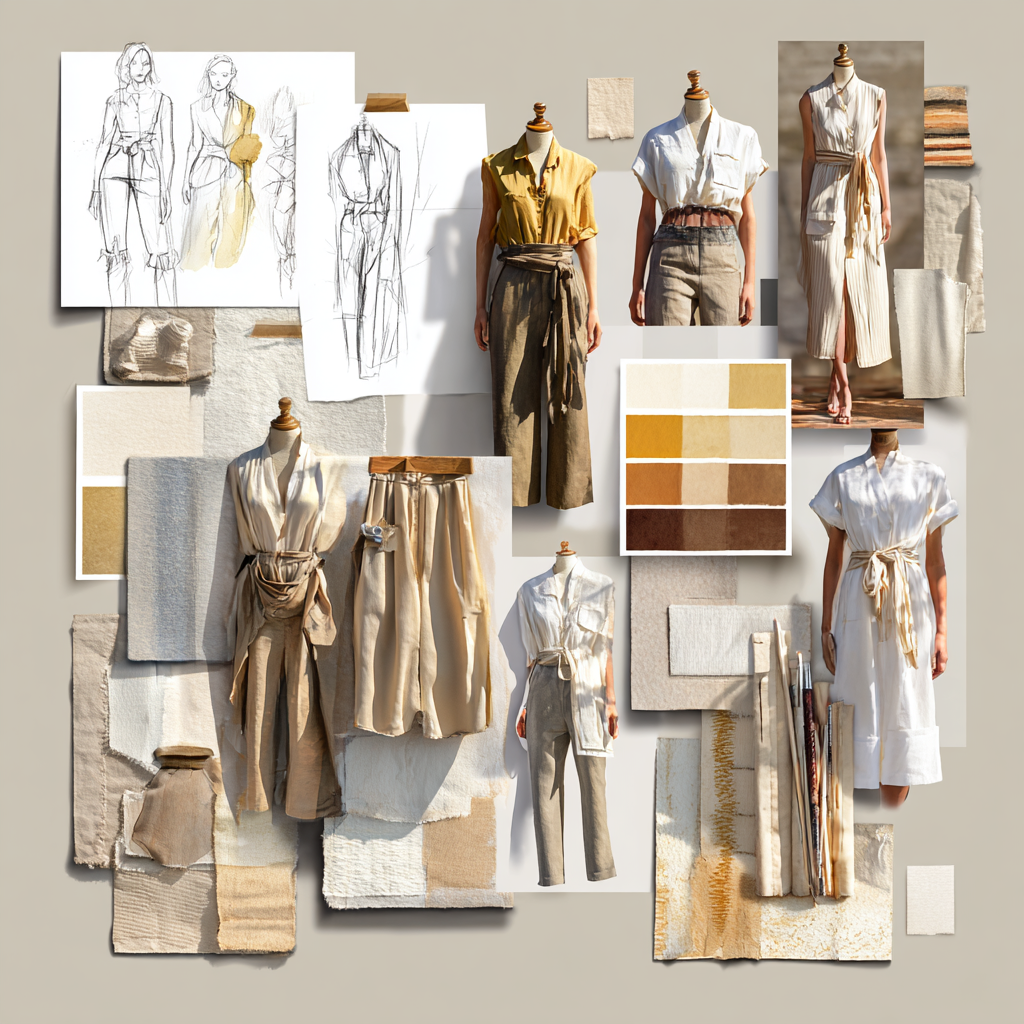
Fashion Sketching & Illustration: How to translate ideas visually (using traditional tools or digital software like Adobe Illustrator or Procreate).
Fabric & Textile Knowledge: Learn about different fabrics, how to choose the right materials for a design, and how textiles impact design, sustainability, and fashion trends.
Pattern Making & Draping: Mastering the technique of translating a design concept into a physical garment through patterns or draping methods.
Fashion Collection Development: How to develop a cohesive fashion collection from concept to final pieces.
Sewing & Construction Techniques: Learning both hand and machine sewing techniques to bring your designs to life.
How to Get Started
Full-Fledged Fashion Schools
Examples: Parsons School of Design (NYC), Central Saint Martins (London), Fashion Institute of Technology (FIT), London College of Fashion.
Why It Works: These schools offer degrees in Fashion Design, Fashion Merchandising, and Textile Design, providing an immersive, structured learning environment.
Online Learning Options
Coursera, Master Class, or Udemy: Programs in fashion sketching, design techniques, pattern-making, and even entrepreneurship in fashion.
Skillshare or CreativeLive: Shorter, more focused tutorials on sewing, styling, and using digital design tools.
In-Person Workshops & Short-Term Programs
Look for workshops from local fashion schools, independent designers, or events like Fashion Week where brands host smaller training sessions or collaborations.
For Self-Made Professionals
Advanced Programs & Workshops: Check out programs like The New School’s Parsons MFA, Fashion Institute of Design & Merchandising (FIDM) in California for in-depth studies that can help professionals refine their craft.
Mentorship Programs: Platforms like Fashion Business Accelerator and The CFDA (Council of Fashion Designers of America) often offer mentoring opportunities to budding designers looking for advice from industry veterans.
2. Fashion Business & Entrepreneurship: How to Launch Your Fashion Brand
What’s Covered
Fashion Marketing & Branding: How to build a brand identity, market your collection, and use social media effectively.
Business Models in Fashion: Understanding different business models like B2B (wholesale), B2C (direct-to-consumer), e-commerce, and retail.
Sustainable Fashion: How sustainability is revolutionizing the fashion industry and the importance of sourcing ethically and producing with sustainability in mind.
Fashion Trends & Forecasting: Learning how to predict and respond to fashion trends, and how to implement those trends into your designs or business strategy.
How to Get Started
Full-Fledged Fashion Schools
Programs like London College of Fashion’s MA in Fashion Entrepreneurship and Parsons’ Fashion Marketing program will teach you how to blend creativity with business acumen.
Online Learning Options
Fashion Entrepreneurship Programs on Coursera, edX, and FutureLearn offer courses in branding, marketing, and scaling fashion businesses.
Business of Fashion (BoF) Education: A comprehensive platform for anyone looking to understand the business side of fashion, from supply chains to global retail strategies.
In-Person Workshops & Short-Term Programs
Fashion Business Accelerator (FBA): FBA offers both online and in-person coaching programs specifically for those looking to start or grow their own fashion brands.
The Fashion Retail Academy in London offers short courses on everything from fashion business fundamentals to retail management.
For Self-Made Professionals
Consider Fashion Accelerator Programs like Startup Fashion or Vogue’s Fashion Fund. These provide resources, workshops, and mentorship specifically for emerging designers or fashion entrepreneurs.
Networking & Fashion Shows: Attend trade shows like Fashion Weeks, Première Vision, or MAGIC to understand industry standards and meet potential business partners or investors.
3. Fashion Styling: Understanding the Role and Developing the Skill
What’s Covered
Editorial Styling: How to create a cohesive look for fashion shoots, magazine editorials, or advertising campaigns.
Personal Styling: Learning how to work one-on-one with clients to create personalized wardrobes based on body types, personalities, and fashion trends.
Fashion Show Styling: The logistics of dressing models, managing show timings, and working with designers for runway events.
Visual Merchandising: Learning how to effectively display fashion in stores or online to attract customers.
How to Get Started
Full-Fledged Fashion Schools
Schools like Fashion Institute of Technology (FIT) in NYC and Central Saint Martins offer specialized programs in Fashion Styling and Fashion Communication.
Online Learning Options
MasterClass with Anna Wintour or Fashion Styling on Skillshare offer access to professional insights and practical styling lessons.
The Image Consulting Business Institute offers an online certification for personal stylists.
In-Person Workshops & Short-Term Programs
The Fashion Stylist Institute offers certifications in styling and professional development for working stylists.
Stylist Networking Events & Conferences: Participate in events like The Fashion Styling Conference where stylists learn from top professionals and gain access to exclusive industry networks.
For Self-Made Professionals
Online Workshops: Focus on hands-on experience through platforms like The Stylist’s Lab, where you can get feedback on your portfolio and styling approach.
Portfolio Building: Attend styling shoots, intern for well-known stylists, or offer services to personal clients to build a real-world portfolio.
4. Fashion Technology & Innovation
What’s Covered
Fashion Tech & Wearables: Learn how to integrate technology into fashion—whether that’s in creating smart clothing or using technology for pattern-making.
Fashion Sustainability & Circular Fashion: Understanding new technologies like 3D printing, virtual fashion shows, and how to design with eco-friendly materials.
Digital Fashion Design: Tools like CLO 3D or TUKAcad help designers digitize their designs for virtual fashion shows, better fit forecasting, and more sustainable garment production.
How to Get Started
Full-Fledged Fashion Schools
Fashion Institute of Technology (FIT) offers specialized courses in Fashion and Technology, focusing on future trends, wearables, and digital fashion.
Online Learning Options
FutureLearn’s Digital Fashion & Innovation Courses dive into emerging trends like AR/VR, 3D garment production, and digital fashion.
Coursera’s Fashion Tech Courses: Courses in partnership with universities like Parsons that focus on the intersection of technology and fashion.
In-Person Workshops & Short-Term Programs
The Fashion Technology Accelerator (FTX) offers programs and incubators for those looking to start businesses at the intersection of fashion and technology.
For Self-Made Professionals
Advanced Digital Design Programs: Look into specialized programs like TUKAcad Patternmaking Software and CLO 3D for learning the technology behind virtual garment construction.
5. Fashion Illustration & Fashion Photography
What’s Covered
Fashion Photography Techniques: Understanding the role of lighting, styling, and location in fashion photoshoots.
Fashion Illustration: How to create detailed and stylized drawings to communicate fashion ideas or concepts.
How to Get Started
Full-Fledged Fashion Schools
Many top design schools offer focused programs in Fashion Photography and Fashion Illustration. For example, The Savannah College of Art and Design (SCAD) offers degrees in both.
Online Learning Options
MasterClass with Annie Leibovitz (Photography) or Fashion Illustration Courses on Udemy/Skillshare.
In-Person Workshops & Short-Term Programs
Workshops with Leading Photographers: Many established fashion photographers offer one-on-one or group workshops for budding photographers.
Conclusion
If you’re looking to transition into a career as a fashion designer or in other related fields like styling, marketing, or fashion entrepreneurship, there’s a wealth of both online and in-person options available. Whether you want to attend a full-fledged fashion school, enroll in an adult certificate program, or just want to build specific skills through workshops and short courses, you’ll find plenty of resources that can fit your existing professional background while helping you pivot into fashion. The key is to stay persistent, develop a portfolio, and immerse yourself in the fashion community.
Ready for the next level?
In Part 2 of this series, we dive deeper into advanced fashion design techniques, fashion marketing & communications, sustainable fashion practices, fashion technology trends, and freelancing/consulting opportunities.
👉 Check out Part 2: Advanced Fashion Careers — From Haute Couture to Digital Fashion & Beyond