How Miami Built a Billion-Dollar Resortwear Economy
Miami thrives on the rhythm of sun, surf, and style — a combination that fuels one of fashion’s most lucrative categories: swimwear. Swimwear delivers some of the highest profit margins in the apparel world thanks to low material costs, strong branding potential, and constant buying cycles. Consumers rarely settle for a single swimsuit each season; they purchase several sets throughout the year, turning this category into a repeat-revenue engine.

What makes Miami special is how it transforms swimwear from a product into an identity. The city’s beaches, fashion events, and tourism-driven culture give brands a natural showcase, where social media, influencers, and global visitors all converge to amplify visibility. Swimwear made or inspired in Miami carries the spirit of its coastline — effortless, premium, and aspirational.
In a global market expected to reach over $36 billion by 2030, manufacturers and designers recognize that swimwear isn’t a niche indulgence but a core fashion investment. As trend cycles quicken and consumer expectations rise, this category continues to outpace traditional apparel in versatility, luxury potential, and cultural impact.
Key Takeaways
- Swimwear offers strong profit margins and recurring consumer demand.
- Miami’s culture and global fashion presence elevate swimwear’s branding power.
- Innovation and trend responsiveness keep the swimwear market growing worldwide.
Profit Drivers Behind the Global Swimwear Market
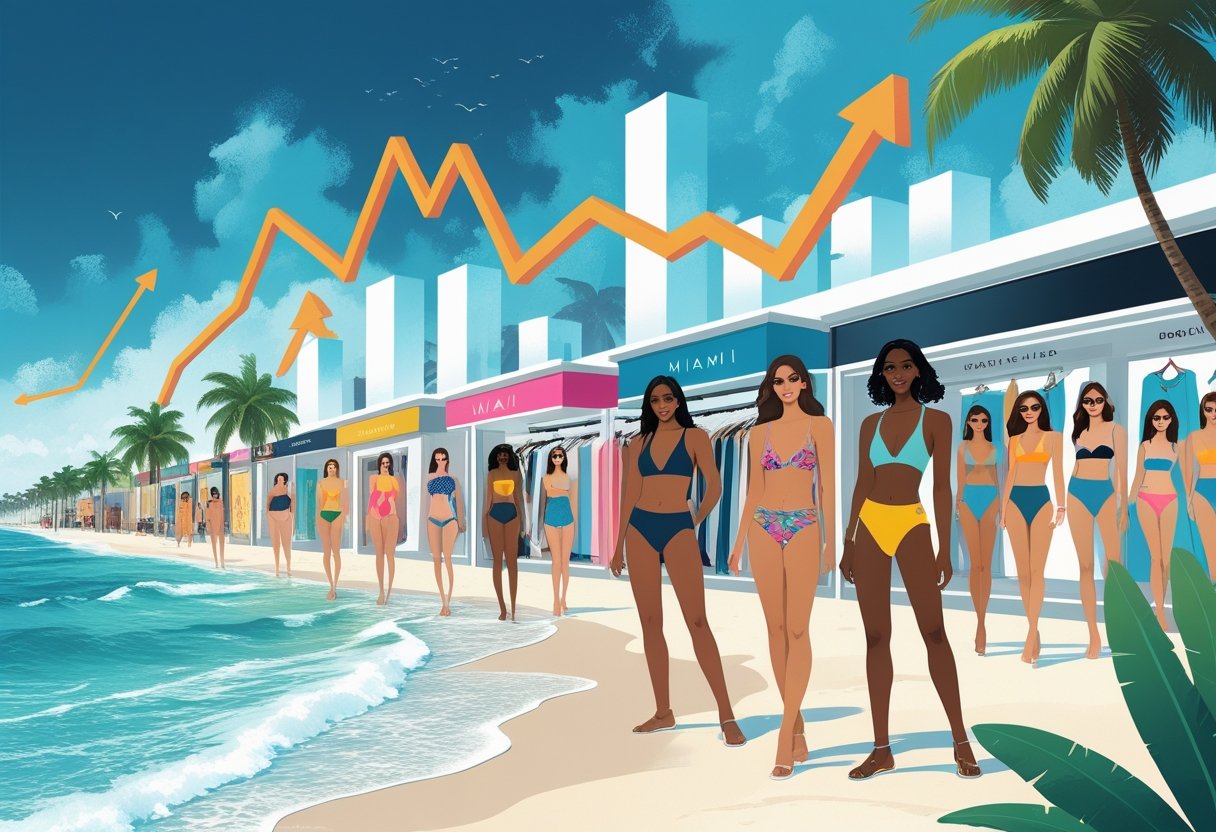
The global swimwear market grows steadily as brands capitalize on efficient production, lifestyle branding, and consistent seasonal demand. Strong profitability stems from low materials cost, short design lifecycles, and consumers’ recurring purchases linked to leisure and travel culture.
High Profit Margins and Low Fabric Costs
Swimwear delivers some of the highest margins in apparel because it uses minimal fabric and often premium pricing. A single swimsuit requires far less material than items such as jeans or jackets, yet retail prices remain high due to brand image and design exclusivity. This combination compresses production costs while expanding revenue potential.
Brands in the global swimwear market capture additional value through creative design and marketing rather than material input. Retailers highlight craftsmanship, fit precision, and unique prints to justify higher pricing tiers. According to Grand View Research, regional and global players sustain profitability through value-added differentiation rather than volume-based competition.
Luxury swimwear labels also benefit from low inventory waste. Small batch runs keep holding costs low while maintaining a sense of exclusivity. This cost-efficient model helps preserve a strong compound annual growth rate (CAGR) across the category.
Influence of Fast Fashion Cycles
The swimwear market adapts quickly to shifting aesthetics and short consumer attention spans. Rapid design cycles mirror fast fashion, where new colors, cuts, and sustainable materials reach stores multiple times per year. This drives repeat visits and higher sell-through rates across digital and in-store channels.
Emerging brands promote inclusivity and sustainability as new style differentiators. They cater to varied body types and eco-conscious buyers, expanding reach beyond traditional demographics. As described by GMI Insights, inclusivity and environmental awareness stimulate new entrants and brand diversity within established markets like North America and Europe.
The constant refresh of designs strengthens market momentum. Manufacturers maintain flexibility through localized supply chains and on-demand production, improving responsiveness while lowering overstock risk.
Recurring and Multi-Seasonal Customer Purchases
Unlike many apparel segments, swimwear sells across multiple seasons due to travel and climate variation. Consumers often purchase several pieces annually for vacations, pool activities, and fitness use. This behavior forms a stable baseline for recurring revenue.
In leisure-destination hubs like Miami, swimwear doubles as lifestyle apparel, not occasional wear. Beachwear crossovers—such as cover-ups and active swim sets—extend usage across contexts ranging from resort wear to social events. The ongoing appeal of water sports and holiday travel supports year-round consumption trends reported by Business Research Insights.
This repetition converts fashion cycles into predictable sales rhythms. Brands use limited-edition drops and influencer campaigns to sustain excitement between seasons, ensuring that swimsuit demand rarely goes dormant.
Material Innovation and Branding in Swimwear
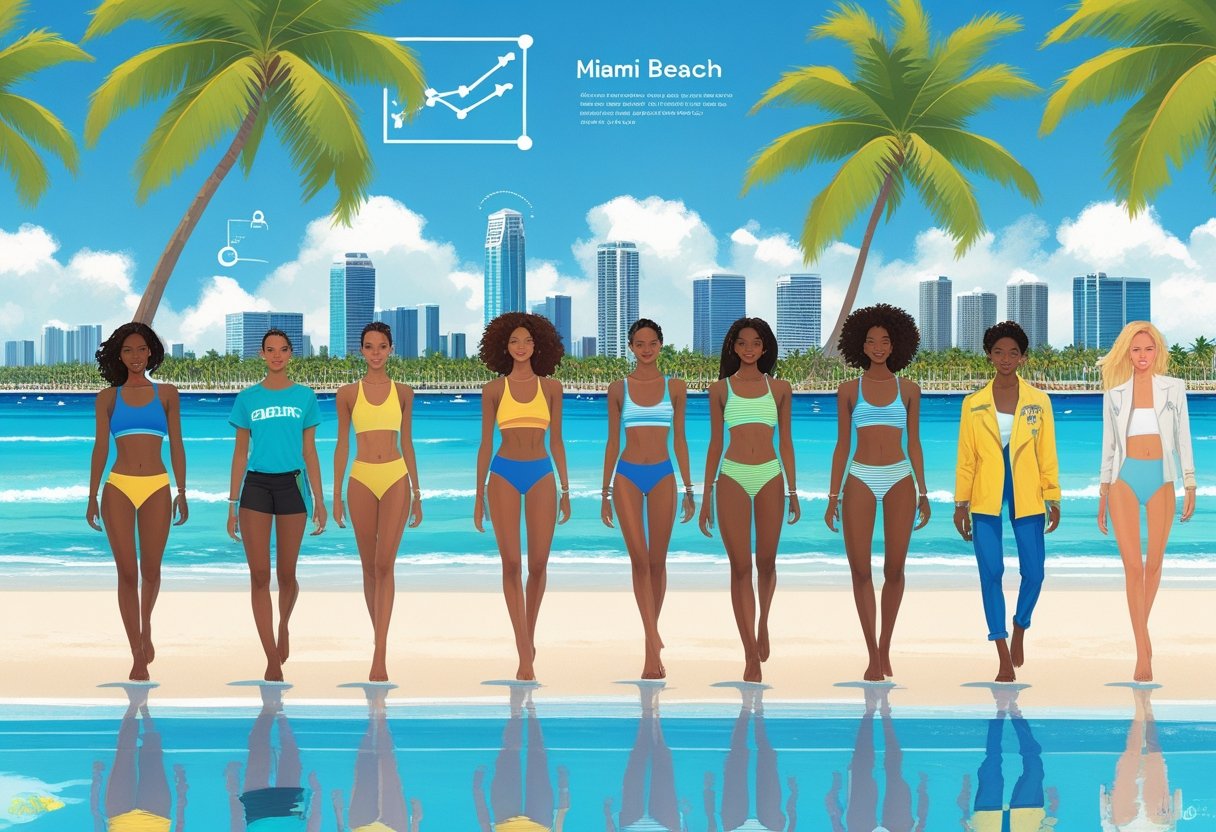
The drive for innovation in swimwear centers on practical fabric technology and brand differentiation. Companies use material performance, sustainability, and design customization to attract distinct consumer segments while improving product quality and profit margins.
Key Fabrics: Nylon, Polyester, and Spandex
Modern swimwear relies on synthetic blends that balance durability, elasticity, and comfort. Nylon remains the most common base because it dries quickly and resists abrasion. Polyester offers exceptional color retention, helping suits maintain vibrant tones after repeated sun and saltwater exposure. Spandex (also known as elastane or Lycra) delivers the stretch and recovery that define body-contouring fits.
The combination of these fibers determines each brand’s texture and performance profile. For example, polyester–spandex suits perform well in chlorinated environments, appealing to both athletes and recreational swimmers. By selecting changing fabric ratios, labels can adjust compression levels or emphasize softness. Advances detailed in Innovations in Swimwear Technology show how coated fibers now reduce drag and enhance athletic efficiency. Material engineering directly influences how premium and mass-market swimwear compete.
Rise of Sustainable and Ethical Manufacturing
Sustainability has become a measurable advantage, not a marketing afterthought. Recycled nylon made from fishing nets or post‑consumer waste and polyester regenerated from plastic bottles now appear in mainstream lines. Brands highlight lower carbon footprints and transparent supply chains to attract environmentally conscious buyers.
The shift toward sustainable swimwear links material innovation with production accountability. According to 2025 Swimwear Industry Trends, the focus on ethical practices shapes consumer trust and long‑term loyalty. Manufacturers through hubs like Miami, where many swim labels operate, integrate small‑batch production and digital cutting to minimize fabric waste.
Key sustainability approaches:
- Use of regenerated nylon and polyester yarns
- Local sourcing to reduce transport emissions
- Fair‑labor certifications
These strategies maintain profitability by adding perceived brand value, even when unit costs rise slightly.
Personalization and Bold Print Trends
Distinctive design defines identity in a crowded market. Swimwear brands increasingly use bold prints, geometric motifs, and color-blocking to create recognizable collections. Advances in digital textile printing allow rapid experimentation and small‑run customization without raising production costs significantly.
Personalization also drives higher margins through direct‑to‑consumer sales. Customers now order tailored fits, mix‑and‑match tops and bottoms, or monogrammed pieces that elevate exclusivity. As noted during Miami Swim Week 2025, designers highlighted individuality and inclusive sizing as part of a brand identity movement.
| Trend | Impact on Branding | Consumer Benefit |
|---|---|---|
| Bold digital prints | Improves visibility in social media and retail displays | Distinct look for personal expression |
| Fit customization | Strengthens brand loyalty | Better comfort and confidence |
| Sustainable design | Positions brand as responsible | Appeals to conscious buyers |
Together, these creative and technological approaches make swimwear a consistent leader in both innovation and profitability.
Miami’s Distinct Swimwear Scene and Industry Influence
Miami merges business, culture, and aesthetics to define the modern swimwear market. Its mix of global designers, tourism-driven retail, and digital innovation positions the city as a key hub for both creativity and commerce.
Miami Swim Week and Resort Wear Culture
Each year, Miami Swim Week anchors the industry’s attention, attracting global designers and buyers to showcase upcoming collections. The 2025 edition of PARAISO Miami Swim Week featured over 40 events across five days, combining runway shows, retail activations, and collaborations with brands such as The Ritz-Carlton, MINI USA, and CoverGirl. These partnerships highlight the intersection of swimwear, lifestyle, and hospitality.
Resort wear thrives alongside swimwear, reflecting the city’s warm climate and year-round coastal tourism. Designers like Luli Fama, SHAN, and Oséree presented collections emphasizing functionality and luxury appeal. Miami’s diverse cultural influences—Latin American aesthetics, Caribbean vibrancy, and European craftsmanship—shape distinctive styles that perform well in global markets. This combination of luxury branding and practical design keeps Miami central to both creative direction and retail opportunity.
Beach Lifestyle, Influencers, and Luxury Retail
Miami’s beaches act as live runways. Influencers, stylists, and photographers use the city as a visual backdrop to drive trends and sales. Social media coverage surrounding events like the Miami Swim Week 2025 Grand Finale amplified content globally, linking lifestyle experiences to product desirability. This seamless connection between destination and digital exposure boosts demand for high-end swimwear labels.
Luxury resorts and boutique retailers further shape consumer behavior. Many host pop-ups during major fashion weeks, offering limited-edition collections only available in Miami. Brands use these activations to test new materials, gather feedback, and reinforce brand exclusivity. Tourism adds another layer—visitors regularly purchase swimwear as both fashion and memorabilia, reinforcing the city’s retail ecosystem.
| Key Drivers of Miami’s Swimwear Market | Impact |
|---|---|
| Cultural diversity | Broad design inspiration |
| Influencer marketing | Fast trend adoption |
| Resort partnerships | Elevated retail experiences |
Role of E-Commerce and Global Trends
E-commerce has expanded Miami’s reach far beyond its beaches. Local swimwear brands now operate global online storefronts, attracting international buyers interested in the city’s aesthetic. Platforms featuring curated selections from events such as Fashion Week Online’s Miami insider guide help emerging designers gain exposure and scale efficiently.
Digital sales channels shorten the time between runway debut and consumer purchase. Many brands introduce “see now, buy now” strategies that capitalize on post-event momentum from shows like PARAISO. Online exclusives, targeted ads, and influencer collaborations further drive recurring sales.
Sustainability and inclusivity trends also influence Miami’s e-commerce growth. Designers integrate recycled fabrics and diverse sizing to meet global expectations. With seasonal cycles accelerating through online marketing, Miami’s swimwear industry continues to blend physical experience with digital commerce, reinforcing its leadership in global swimwear fashion.
Consumer Diversity and Future Growth Trends
The global swimwear industry continues to adapt to shifting tastes, new technologies, and diverse body profiles. Growth is driven by expanding product ranges, inclusive sizing standards, and integration with fitness and outdoor lifestyles, making swimwear a category that bridges functionality and fashion.
Expanding Swimwear Categories: Bikinis to Swim Dresses
Swimwear now extends far beyond classic bikinis. Modern assortments include tankinis, swim dresses, rash guards, and technical men’s swimwear for both performance and casual use. The bikini segment alone is projected to surpass USD 14.7 billion by 2032, demonstrating the continued dominance of this style in global markets. Brands diversify lines to address specific use cases such as sunbathing, resort leisure, and swimming fitness.
Manufacturers have optimized materials for quick drying, UV protection, and comfort. Fabric sourcing emphasizes elasticity and soft textures, appealing to consumers who expect both style and durability. Designers increasingly offer modular designs—separate tops and bottoms—that allow personalization by fit, print, or coverage level.
Retailers categorize collections into distinct fit solutions for different body shapes and activity needs. This detailed segmentation not only broadens appeal but also drives multiple purchases per customer each season.
Impact of Body Positivity and Inclusive Sizing
The rise of body positivity has changed how consumers perceive bikinis, tankinis, and swim dresses. Social media campaigns and influencer marketing have normalized different body types in swimwear advertising. This inclusivity builds brand trust and expands the addressable market for both premium and midrange labels.
Key retailers and major players such as Nike and Adidas have introduced broader size ranges, while boutique brands specialize in adaptive and maternity swimwear. According to Global Growth Insights, over 65 percent of American women regularly purchase swimwear, reflecting rising confidence in fit diversity.
Inclusive sizing also fosters longer product lifecycles. Accurate measurements reduce return rates and increase satisfaction. For manufacturers, this data loop improves pattern design and yields higher margins by maintaining consistent sales turnover across demographic groups.
Integration with Athleisure and Water Activities
The boundary between swimwear and athleisure grows thinner as consumers seek apparel that fits both water activities and casual wear. Advancements in stretch fabrics and hybrid materials enable swim trunks, leggings, and cropped tops to move seamlessly from the beach to gyms and outdoor recreation.
Sustainability adds further value. Designers focus on recycled nylon and polyester blends that align with fitness and wellness trends. During events such as Miami Swim Week 2025, collections highlighted how function-driven construction supports both performance swimming and lifestyle versatility.
To illustrate cross-market opportunity:
| Category | Function | Ideal Use Case |
|---|---|---|
| Performance swimwear | Compression fit, chlorine resistance | Training, competitive swimming |
| Lifestyle swimwear | Comfort and style | Resort trips, sunbathing |
| Hybrid activewear | Quick-dry fabrics | Paddleboarding, outdoor fitness |
This convergence positions swimwear as a year-round wardrobe item, not a seasonal purchase.
Frequently Asked Questions
The profitability of swimwear stems from its unique business dynamics, cultural appeal, and close linkage to lifestyle trends. Miami’s global influence, sustainability innovations, and changing consumer habits solidify swimwear’s position as one of fashion’s most adaptive and high-margin categories.
What factors contribute to the high profit margins of swimwear?
Swimwear uses minimal fabric compared to other clothing, reducing production costs while maintaining relatively high retail pricing. Branding and design carry more value than material quantity, giving companies room for premium markups.
High-quality craftsmanship, recognizable logos, and limited-edition drops further strengthen perceived exclusivity. The result is a product that performs well across both mass-market and luxury segments.
Why do consumers tend to purchase multiple sets of swimwear per year?
Consumers associate swimwear with travel, social gatherings, and online visibility. Frequent vacations, poolside events, and changing aesthetic trends motivate buyers to refresh their wardrobes more than once annually.
In warm or coastal regions, such as Florida or Southern California, swimwear use extends beyond the summer season. This continuous wear encourages recurring purchases and brand loyalty.
How does the culture of a location like Miami enhance the branding and sales of swimwear?
Miami’s beach-centric lifestyle and year-round warm climate make it a natural showcase for swimwear. The city’s fashion scene links ocean culture with high visibility events like Miami Swim Week®, giving brands global exposure through models, influencers, and media coverage.
Its role as a tourism hub also fuels demand. Visitors often seek local designs as keepsakes or social media statements, directly connecting leisure with style.
How do fast trend cycles impact the swimwear industry?
Trends shift quickly due to social media influence and seasonal resort collections. Emerging patterns, colors, and silhouettes introduced at Paraiso Miami Beach or through designer collaborations reach consumers almost instantly.
This tempo encourages rapid design turnover and shorter production runs. Manufacturers who adapt quickly capture attention and maintain consistent sales flow without saturating the market.
In what ways is swimwear positioned as a lifestyle identity rather than a single-use product?
Modern swimwear brands highlight values such as sustainability, inclusivity, and confidence. Pieces are designed for versatility—transitioning from beach to casual wear through pairing with skirts, cover-ups, or jackets.
Consumers view swimwear as a part of self-expression tied to travel, wellness, and body positivity. This shift moves the category beyond function, aligning it with broader cultural movements.
What are the current trends shaping the swimwear market in 2025?
Designers at Miami Swim Week 2025 presented collections emphasizing recycled fabrics, botanical dyes, and adaptive fits. Bold prints, crochet textures, and vibrant color palettes define the latest styles.
Sustainability remains central. Biotech materials like bamboo blends, biodegradable packaging, and digital fitting tools are expanding the definition of what modern swimwear can achieve.